Comprehensive® Reverse Shoulder System Augmented Baseplate

Augmented Baseplate
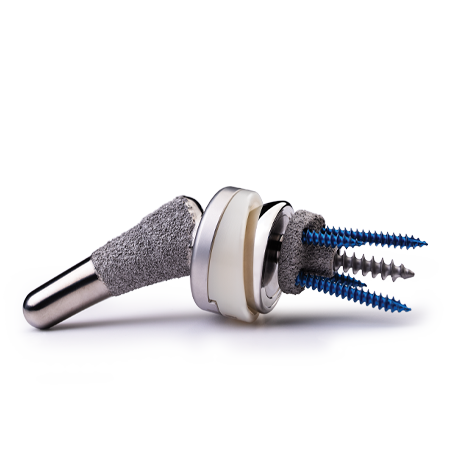
Up to 50% of patients presenting with osteoarthritis and associated rotator cuff arthroplasty have bone erosion that must undergo reconstruction in order to achieve successful shoulder arthroplasty.1 The use of an augmented baseplate provides a simple, reproducible method to restore the glenoid for reconstruction in Reverse Shoulder Arthroplasty. For patients with a lesser degree of bone loss or correction, an augmented baseplate can add benefits of less bone removal, preservation of cortical bone, and lateralization.*
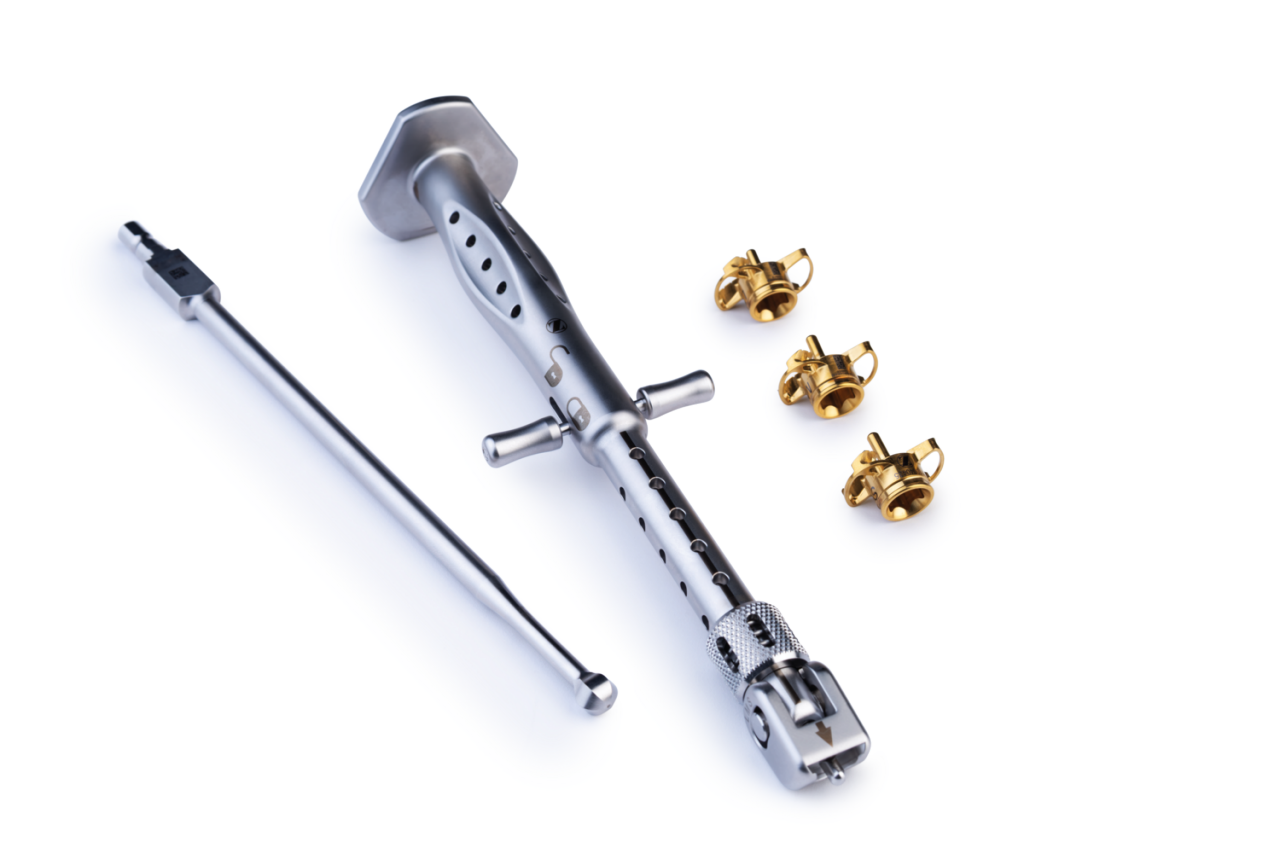
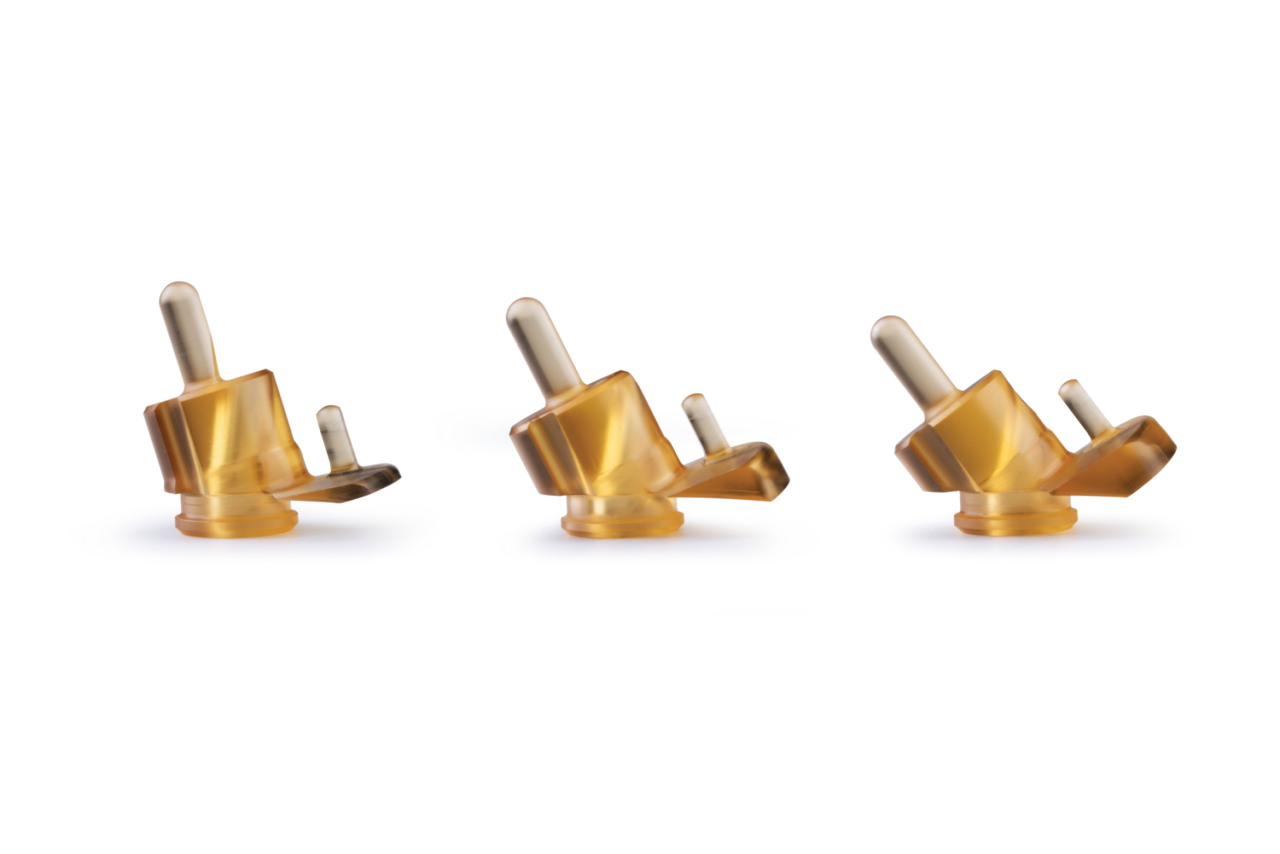
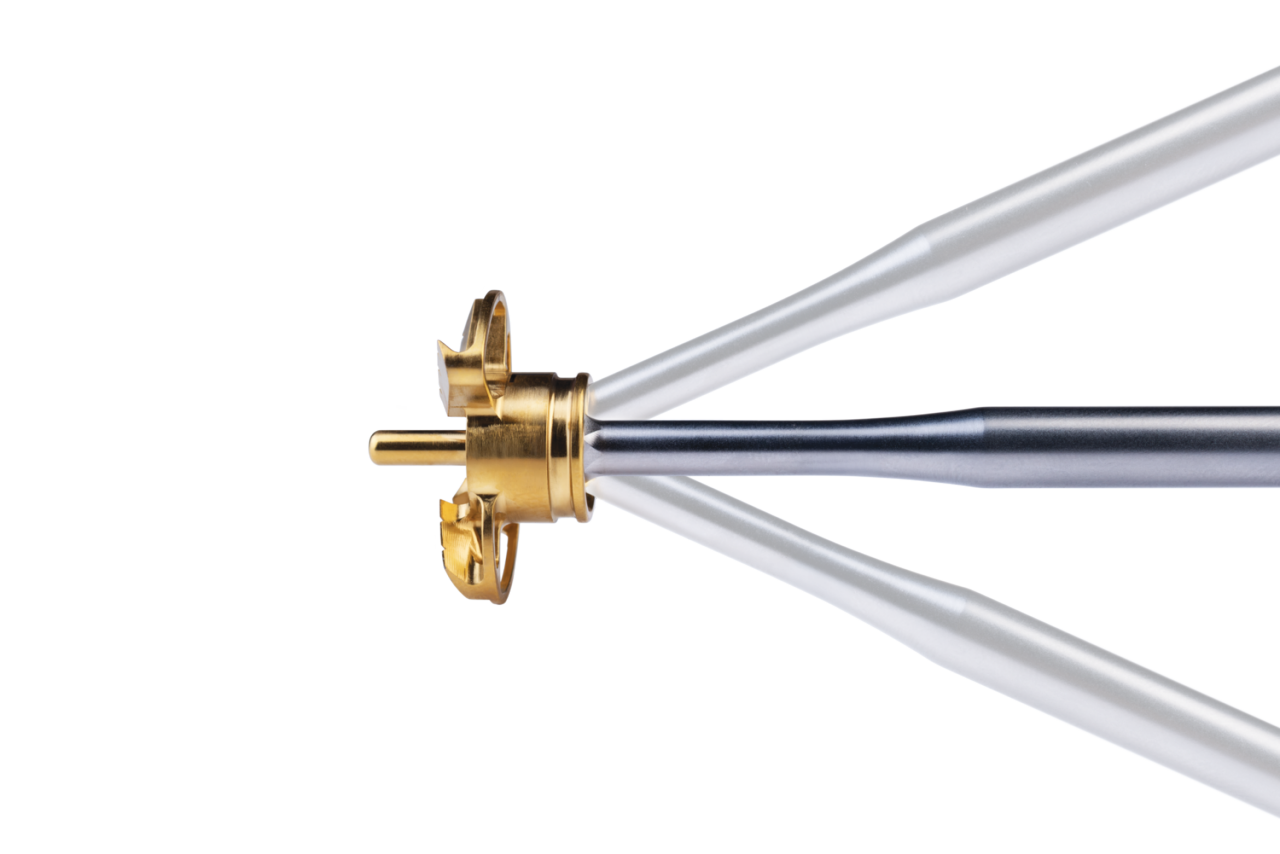
Bone Preparation
Comprehensive® Augmented Baseplate instrumentation now features Off-Axis reaming technology, which allows for glenoid preparation to be executed at a broad range of angularity. A simplified, reproducible bone preparation solution designed to be exposure-friendly while facilitating control and visibility during the ream process.
Off-Axis reaming technology is intended to support reliable and consistent augment placement to facilitate stability for glenoid component fixation, which is critical to the long-term success of reverse shoulder arthroplasty.2,3
Key benefits and features of Off-Axis reaming:
- Ball hex technology for reaming functionality at 30 degrees in any direction
- Low-profile reamer guides designed to help fix rotational position
- Modularity for intraoperative, in-situ assembly
Product Features
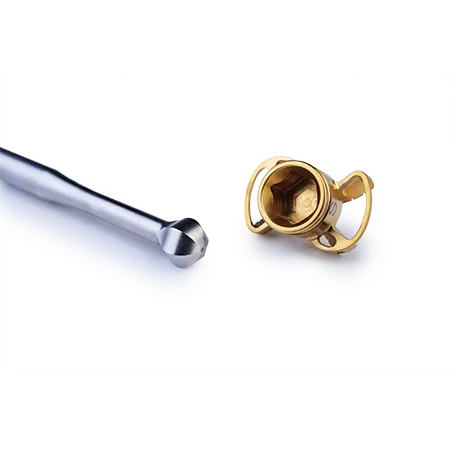
Off-Axis Reaming Technology
A surgeon-centric approach to simplify augment preparation.
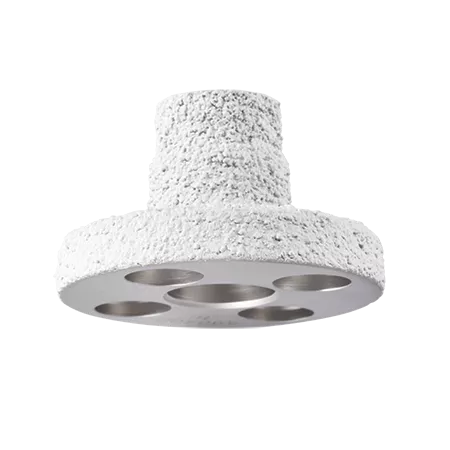
Circular Baseplate
Allowing the placement of the augment at any location and flexibility to address the full spectrum of glenoid bone wear.
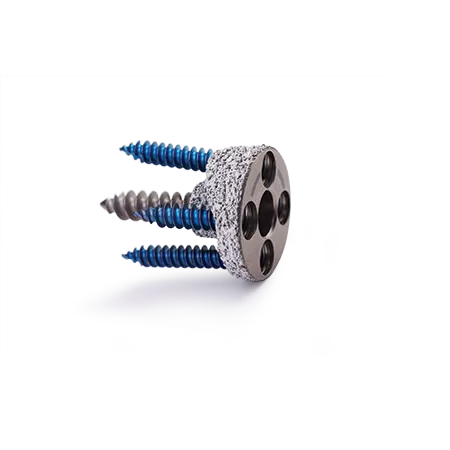
Bone Preservation
In cases without glenoid bone and superior augment placement, removes less bone* and lateralizes the glenoid face.
Technology
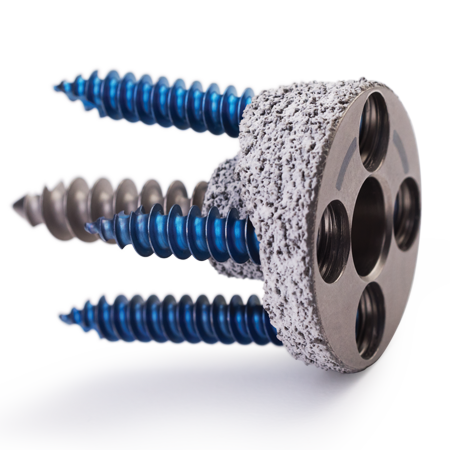
- Modular 6.5 mm central compression screw for enhanced stability
- Central boss for sharing the sheer load being transferred to the glenoid
- Specialized etch on baseplate face to facilitate accurate augment placement
- Circular Baseplate allows augment to be positioned to any orientation around glenoid face
- HA/TCP over PPS® coating for fixation.
Videos
Comprehensive Reverse Shoulder System Augmented Baseplate Surgical Technique Animation
Watch animation
Additional Information
Legal Disclaimer
All content herein is protected by copyright, trademarks and other intellectual property rights, as applicable, owned by or licensed to Zimmer Biomet or its affiliates unless otherwise indicated, and must not be redistributed, duplicated or disclosed, in whole or in part, without the express written consent of Zimmer Biomet.
This material is intended for health care professionals. Distribution to any other recipient is prohibited.
For product information, including indications, contraindications, warnings, precautions, potential adverse effects and patient counseling information, see the instructions for use or contact your local representative; search this website for additional product information. To obtain a copy of the current Instructions for Use (IFU) for full prescribing and risk information, please visit labeling.zimmerbiomet.com. For product related questions, please call 1-800-348-2759.