
A retrospective cross-sectional study was performed focusing on identifying the incidence of malpositioned components in conventional TSA and RSA.
Quantitative analysis demonstrated that the majority of glenoid and humeral components were malpositioned:1
51%
Glenoid malposition - TSA
93%
Glenoid malposition - RSA
57%
Humeral malposition - TSA
62%
Humeral malposition - RSA
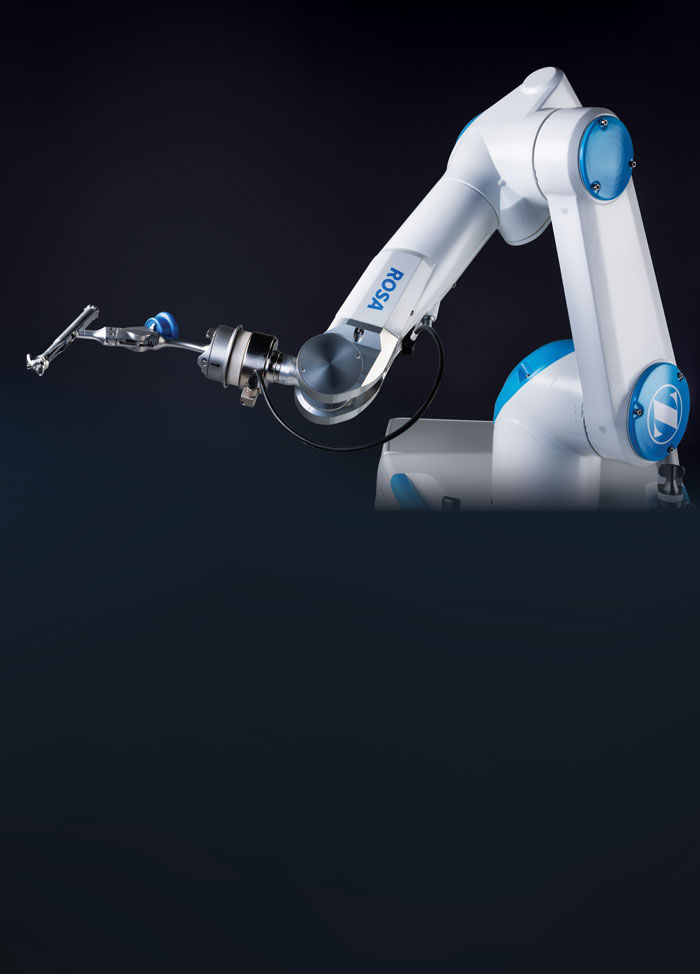
But, a robotic system, like ROSA® Shoulder, for anatomic and reverse shoulder replacements could help mitigate malpositioning.
Precision placement with improved consistency over conventional instrumentation.2
Delivering real-time data to execute and validate your personalized TSA surgical plan for accurate glenoid and humeral component placement,2 while addressing known risks associated with component malposition3-6 in anatomic and reverse shoulder arthroplasty.
Tell me more about the malpositioning study & ROSA Shoulder!
Why Surgeons Choose ROSA® Shoulder:
Complete solution from pre-op to post-op
Industry’s first robotic system to support both glenoid and humeral preparation for anatomic and reverse techniques.
Optimal Flexibility
The flexibility to adjust surgical plan on demand and intra-operatively switch from an anatomic total shoulder to a reverse shoulder if needed.
Validated Reaming
Provides live feedback allowing for glenoid ream depth control and intra-operative validation of cuts. For protection, the Robotic Arm will automatically stop reaming when the planned reaming depth is met.
Bolstering Confidence
Continual cross-validation to reduce reliance on manual estimation, helping verify bone registration, avoid rotator cuff insertion resection and support surgeon confidence.
Legal Disclaimer
All content herein is protected by copyright, trademarks and other intellectual property rights, as applicable, owned by or licensed to Zimmer Biomet or its affiliates unless otherwise indicated, and must not be redistributed, duplicated or disclosed, in whole or in part, without the express written consent of Zimmer Biomet.
This material is intended for health care professionals. Distribution to any other recipient is prohibited.
For product information, including indications, contraindications, warnings, precautions, potential adverse effects and patient counseling information, see the instructions for use or contact your local representative; search this website for additional product information. To obtain a copy of the current Instructions for Use (IFU) for full prescribing and risk information, please visit labeling.zimmerbiomet.com. For product related questions, please call 1-800-348-2759.